Case study
E-commerce revenue more than doubled in two years of structured scaling
Key challenges
Performance across channels had started to decline, and internal processes lacked the structure and consistency needed for growth. The brand had weak engagement on digital channels, minimal content and largely untapped marketing potential. It needed action right away: not just to stop the decline, but to build solid foundations for scaling.
The job was a complete turnaround in performance marketing combined with a long-term growth strategy. That meant rethinking paid media, organic reach, internal processes, customer experience and the brand itself, all with the client's manufacturing-led model and both B2B and B2C segments in mind.
Fixing online marketing
The first step was a full restart of paid advertising. Google Ads campaigns were restructured using Performance Max segmentation, and all inefficient upper-funnel activity was paused to focus on what actually drives conversions. Paid social was launched for the first time, along with a basic organic presence that strengthened the brand's credibility and engagement.
One of the first big wins was email. Where the brand used to send one newsletter a month, it moved to two campaigns a week. That brought a steady flow of high-margin visitors and created a regular rhythm of communication and promotions.
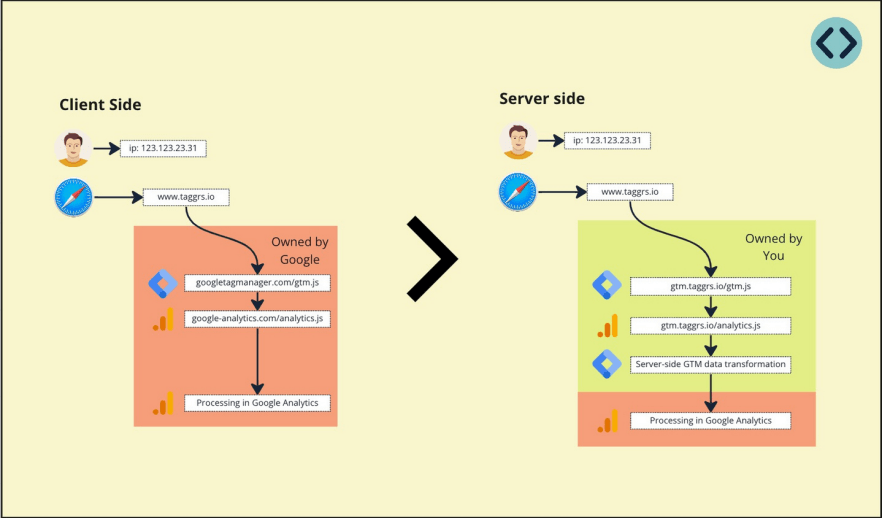
Measurement quality improved sharply with the move to server-side tracking. The company is now ready for a cookieless world and sends much more accurate data signals to the ad platforms.
Once the foundations were in place, the brand expanded into four new markets, widening its reach considerably. For Google Shopping, optimization was set up at the level of individual products: weaker items were excluded so budgets could concentrate on the products with the highest ROAS.
Promotions were brought together in a long-term campaign calendar covering seasonal events and tactical discounts.


Customer experience and brand
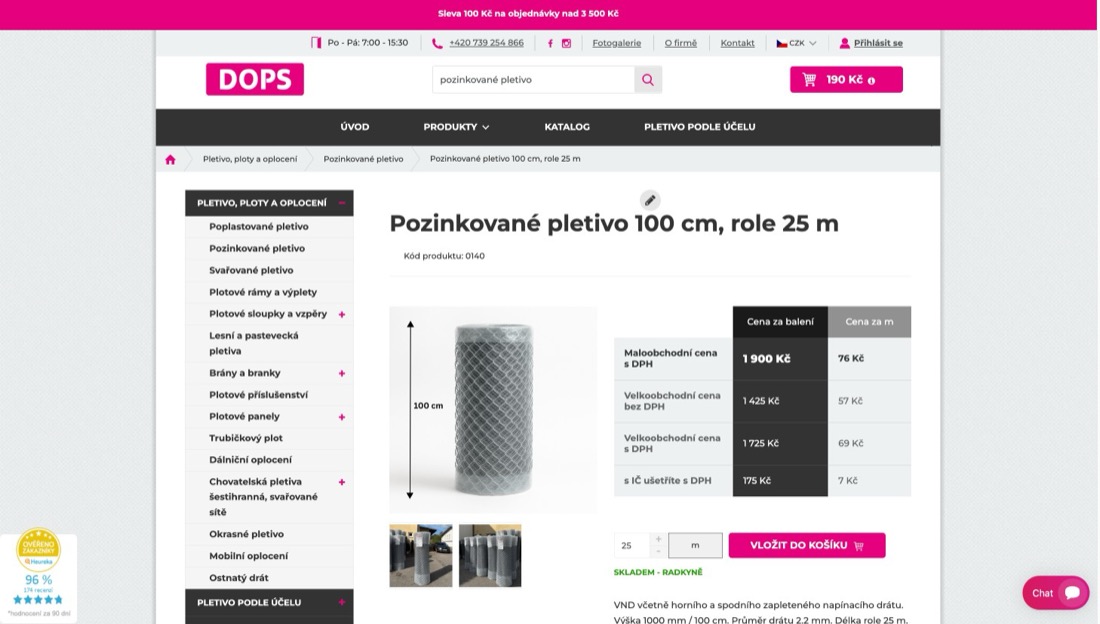
On the customer side, visual and content quality improved significantly. Category and product descriptions were rewritten to be clearer, better optimized for SEO and consistent with the brand's tone. Product photography was redone as well, creating a cleaner and more unified visual identity. The result was a better shopping experience and stronger customer trust.
Shipping and payment options were extended, which simplified checkout. Later the brand was connected to several relevant marketplaces to open new sales channels and give customers more flexibility.
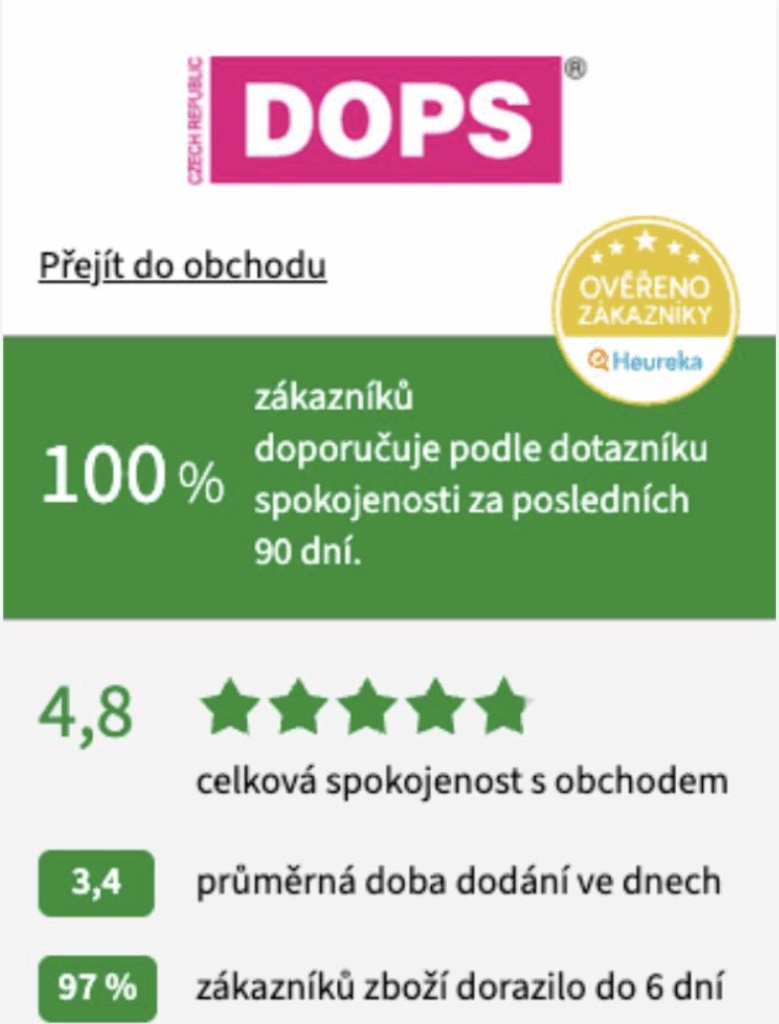
Customer satisfaction became one of the key performance indicators. Active review collection campaigns were launched, and at the start of 2025 the brand reached a 100% satisfaction rating. That served as internal feedback and as strong proof of credibility for new visitors.
Finally, the logo itself was redesigned to reflect the company's new stage. The refreshed identity tied the modernized content, product visuals and overall digital presence into one coherent whole.
Supporting growth and internal infrastructure
To support long-term scaling, internal systems were improved too. B2B and B2C campaigns were separated to reflect the different journeys and goals of each segment. That removed confusion and allowed more precise targeting and messaging.
Prices in key markets were adjusted to match the main competitors, which had an immediate positive effect on conversion rate.
For SEO, site structure was improved by adding FAQ accordions to product and category pages. The blog was revived and localized for each market to bring in organic traffic and build the brand's authority.
The range kept growing with new products to cover more price points and customer needs. Lead generation campaigns and internal apps were launched alongside, streamlining manual processes and improving the sales team's performance.
Results
After two years of intensive work, the store's revenue more than doubled. The combination of performance fixes, structural improvements and brand development produced a healthier, more scalable business: one that runs more efficiently, looks more professional and sells better than ever before. The foundations now allow it to keep growing and to expand into new markets and new business models.